
AEROSOL
Timeline: September 2025 – January 2026
Team size: 12 people
Engine: Unity
| ROLES | SKILLS |
| – Lead UI/UX – Level designer – 2D asset artist – Background/environment artist | – Unity – Github – Figma – Jira – Adobe Photoshop – Clip studio paint – Miro board |
Video of the final project:
I put together a short show-reel to highlight gameplay aspects and level design I contributed to.
- Level design
- Shop art
- UI/UX
- 2D assets
- Project management
LEVEL DESIGN
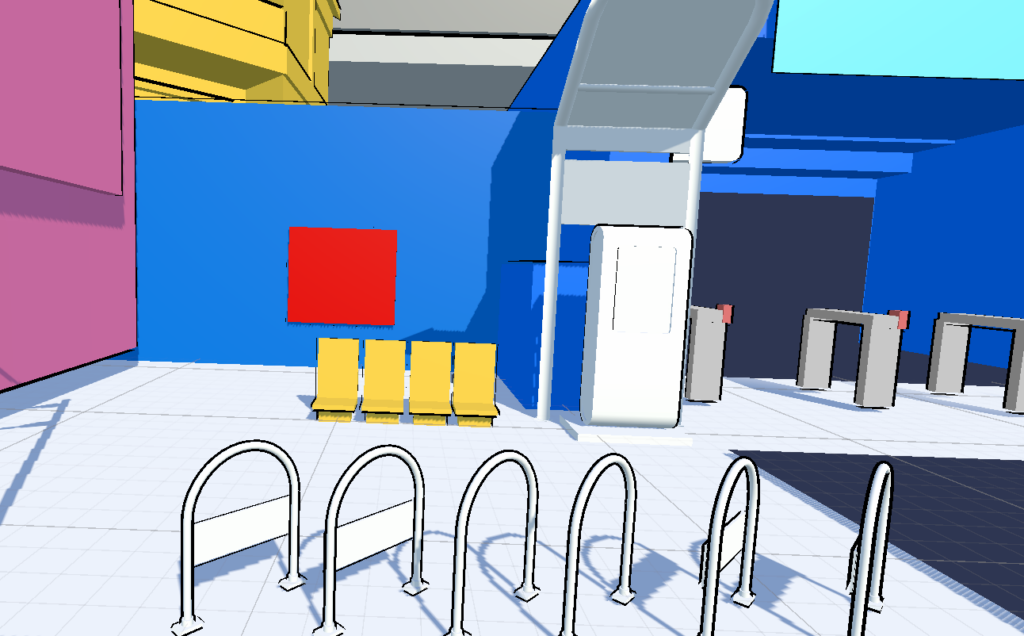
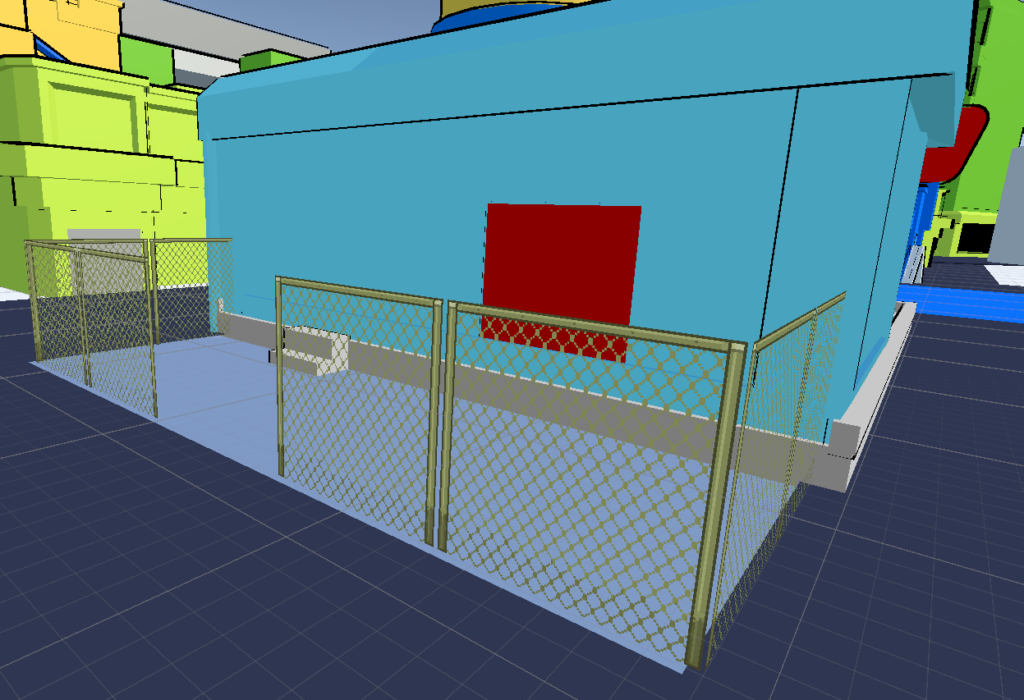
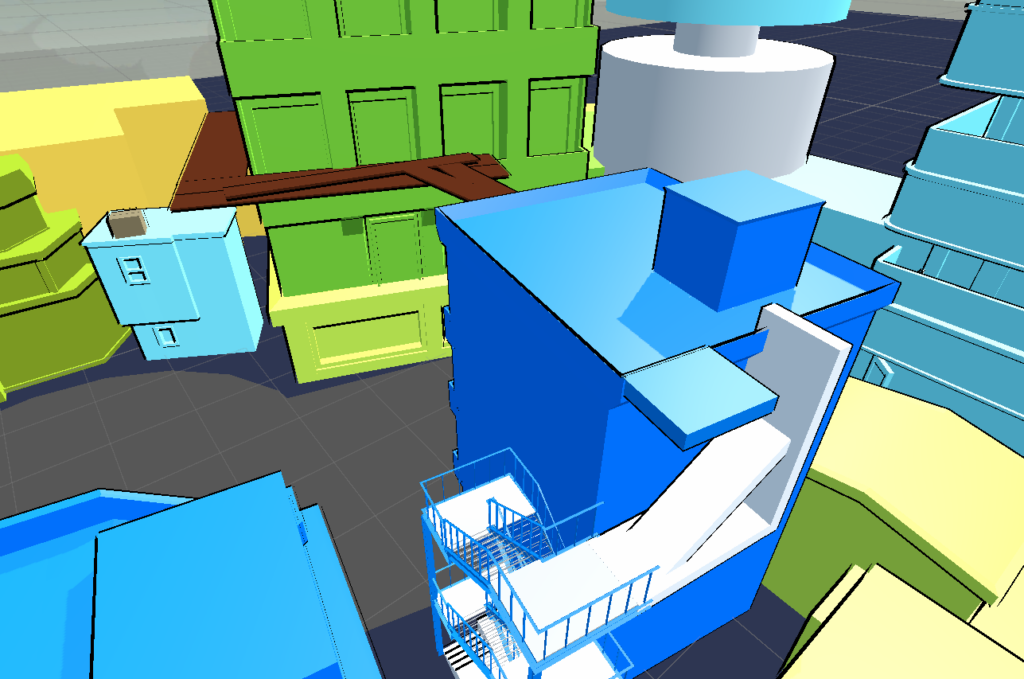
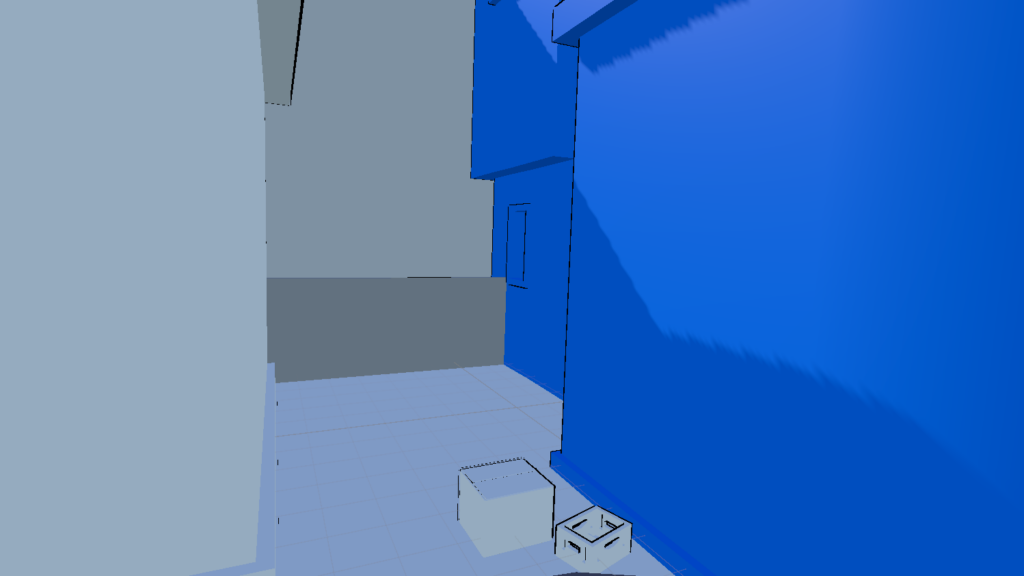
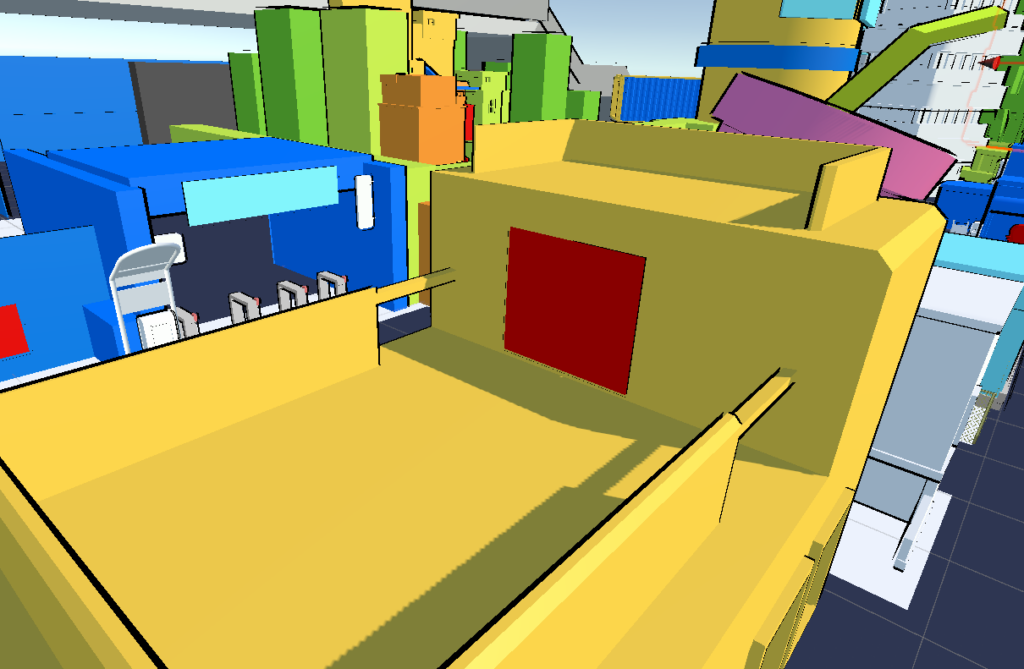
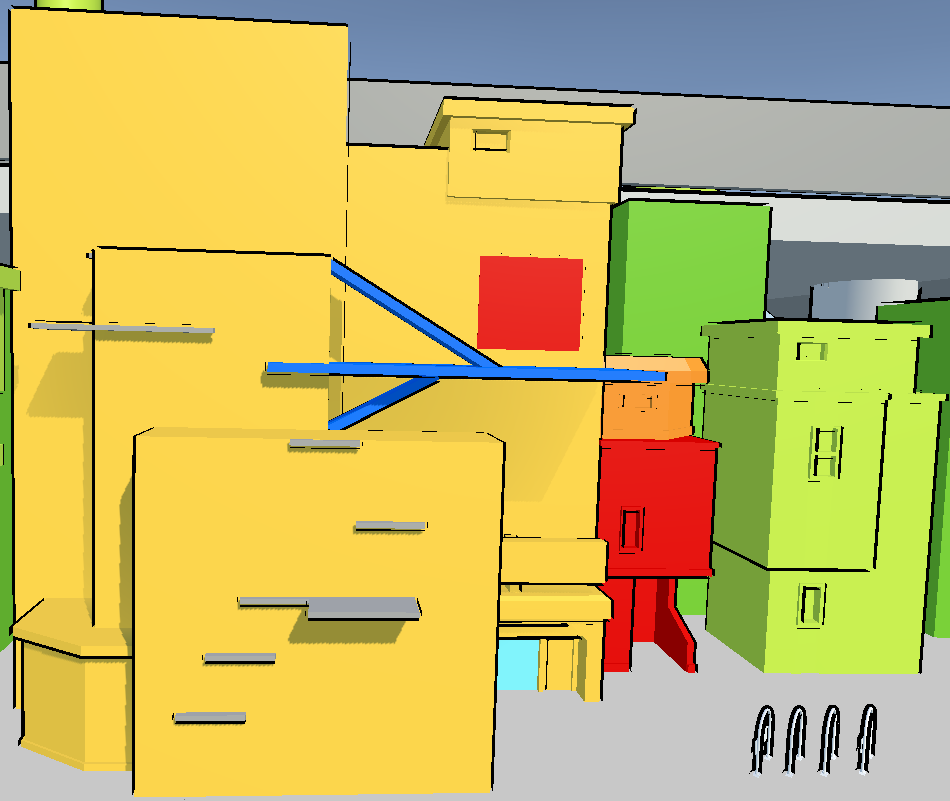
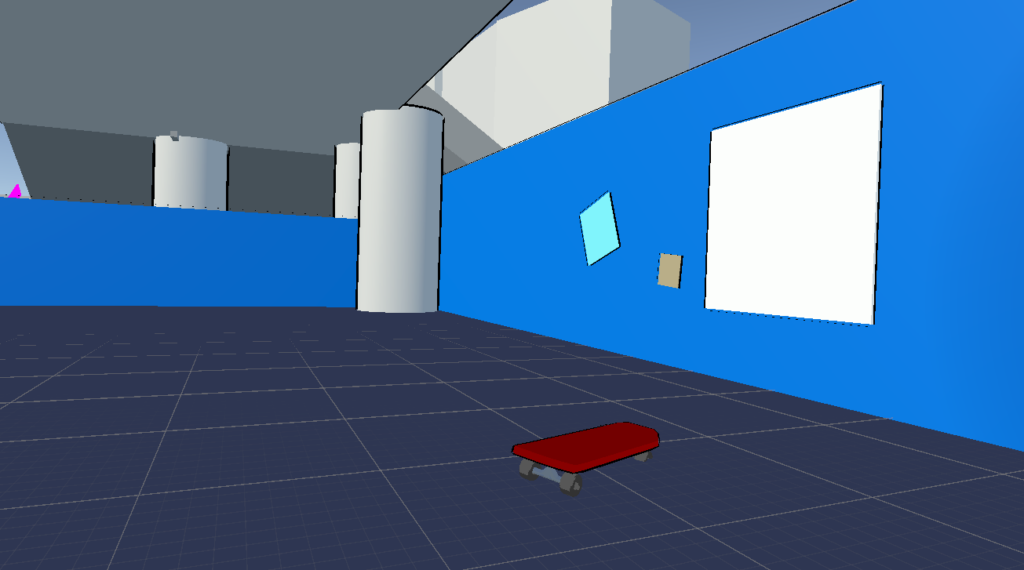
White-box images of the developmental process.
One of my main responsibilities was whiteboxing the tutorial area and the main city level. I focused heavily on player flow, navigation, and environmental storytelling while building the layouts. The process started with simple blockouts to test pacing and gameplay before moving into more detailed environments. Through playtesting and feedback, layouts were adjusted to improve movement, readability, and the overall player experience.
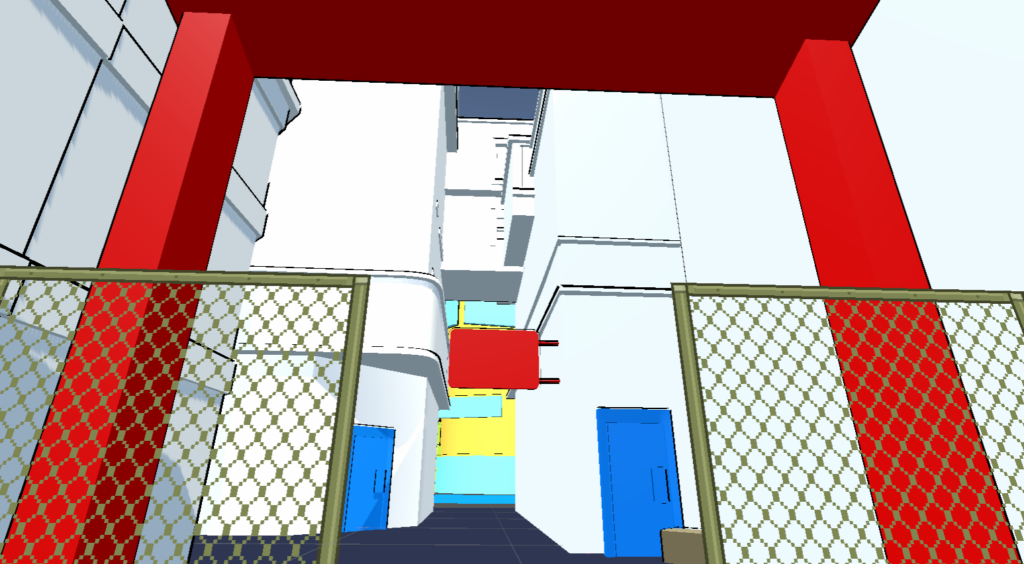
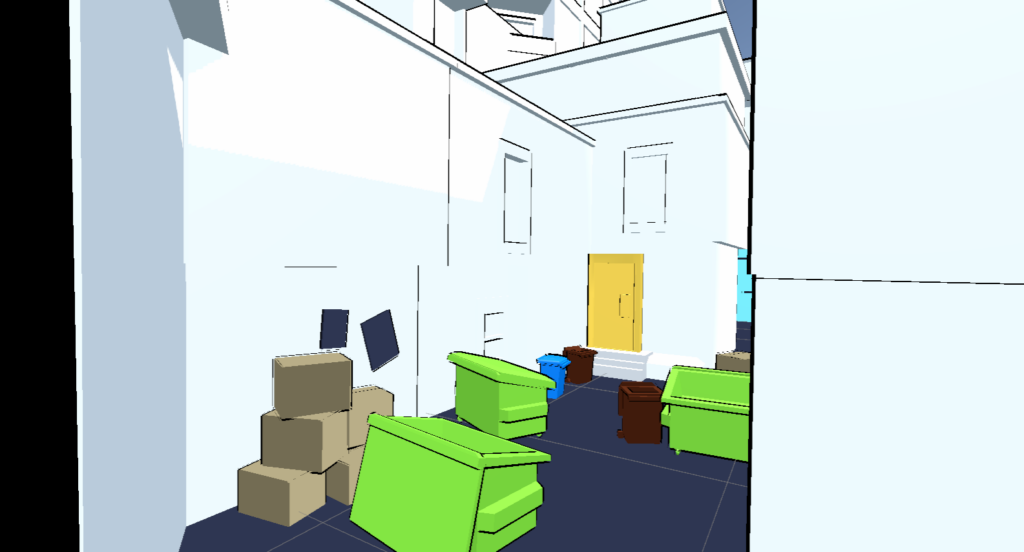
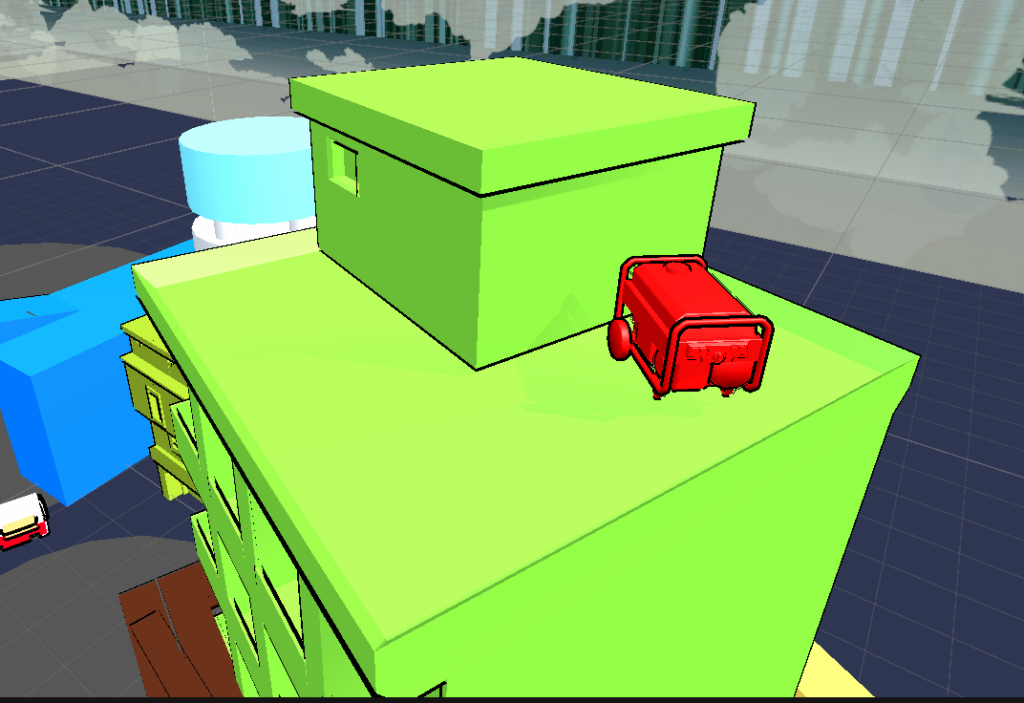
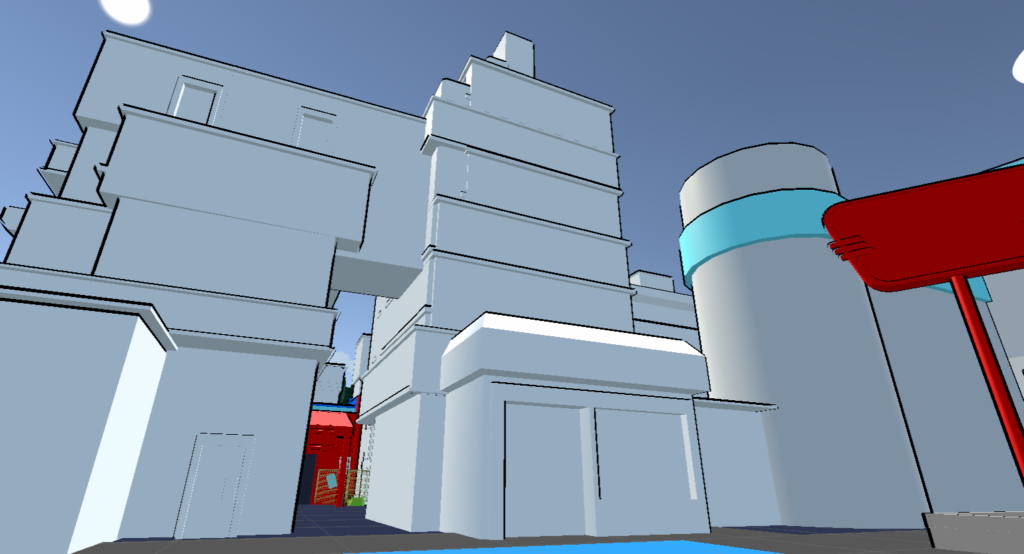
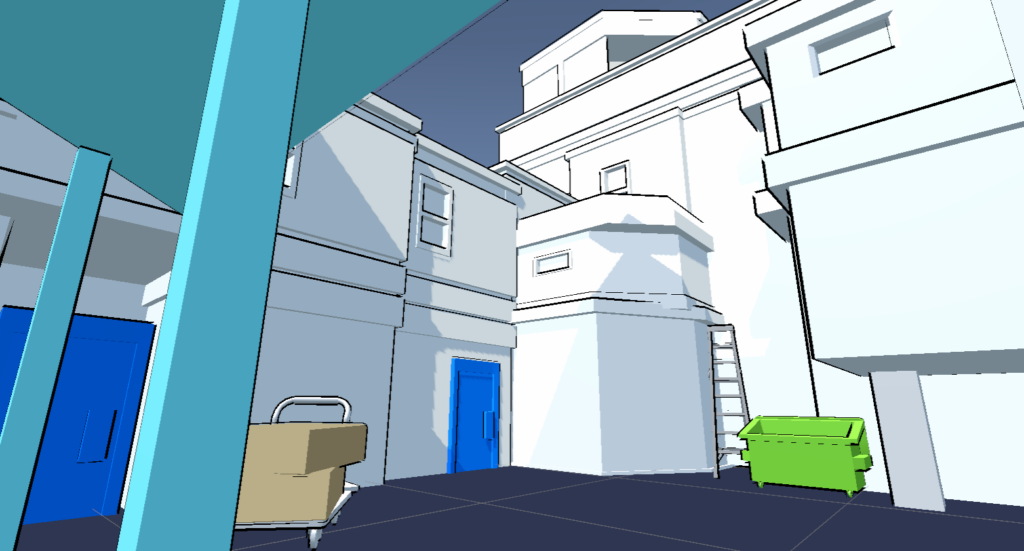
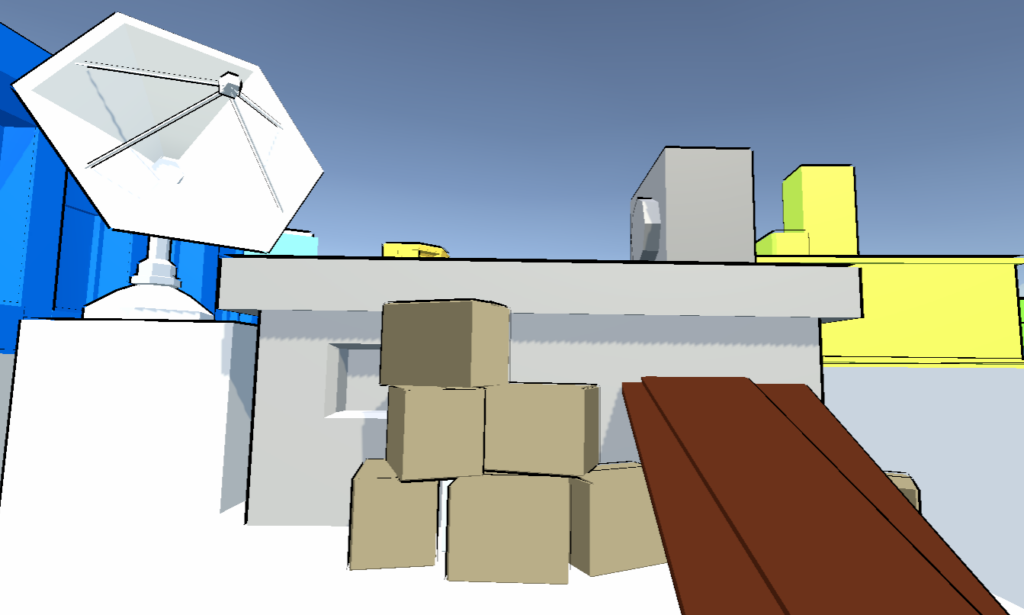
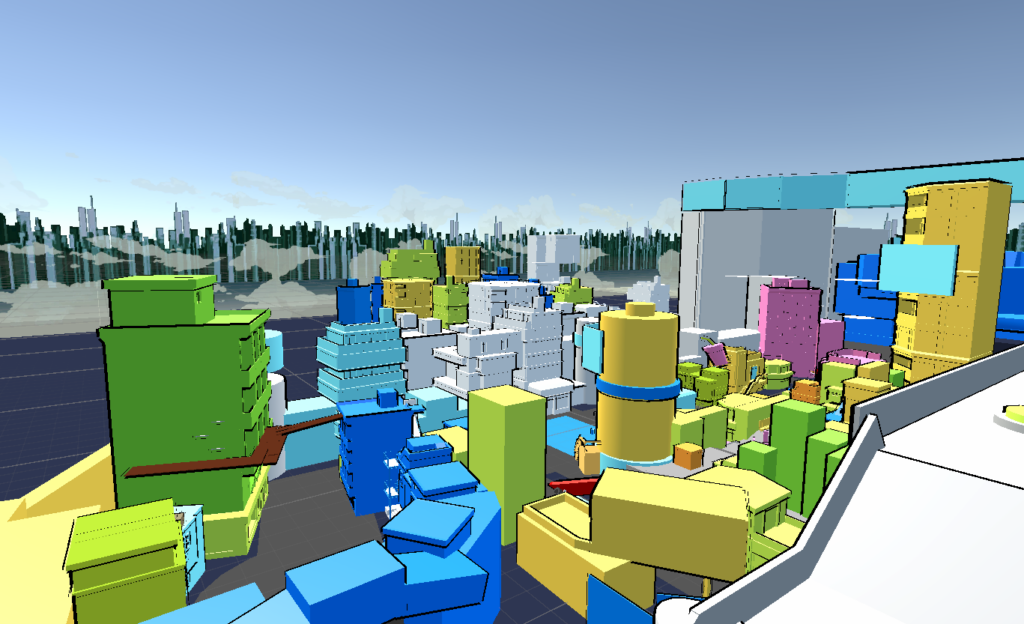
White-boxed images of the paint spots I dotted around the map. For this I focused on player navigation and guiding the player around the full city-scape
SHOP ART
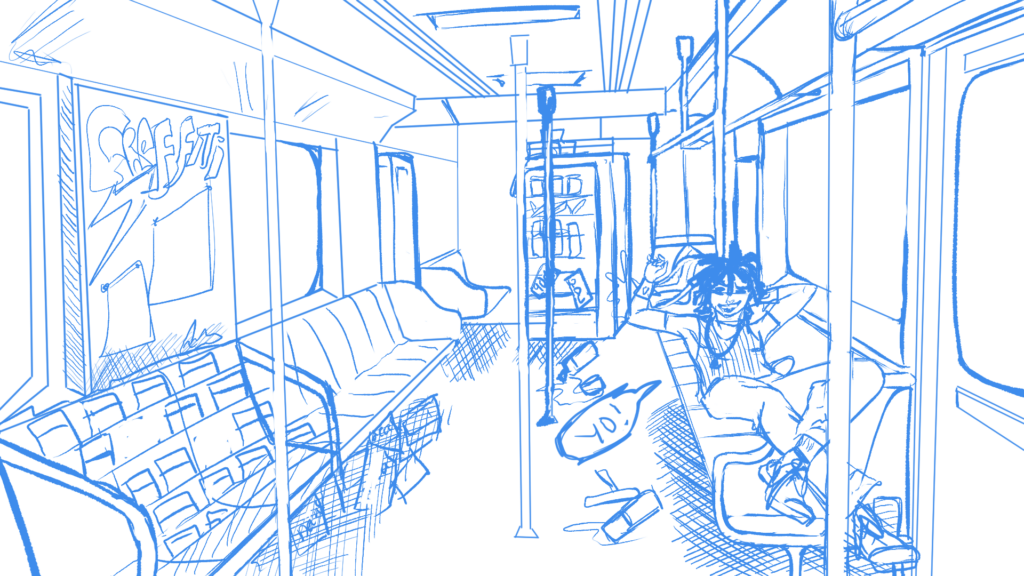
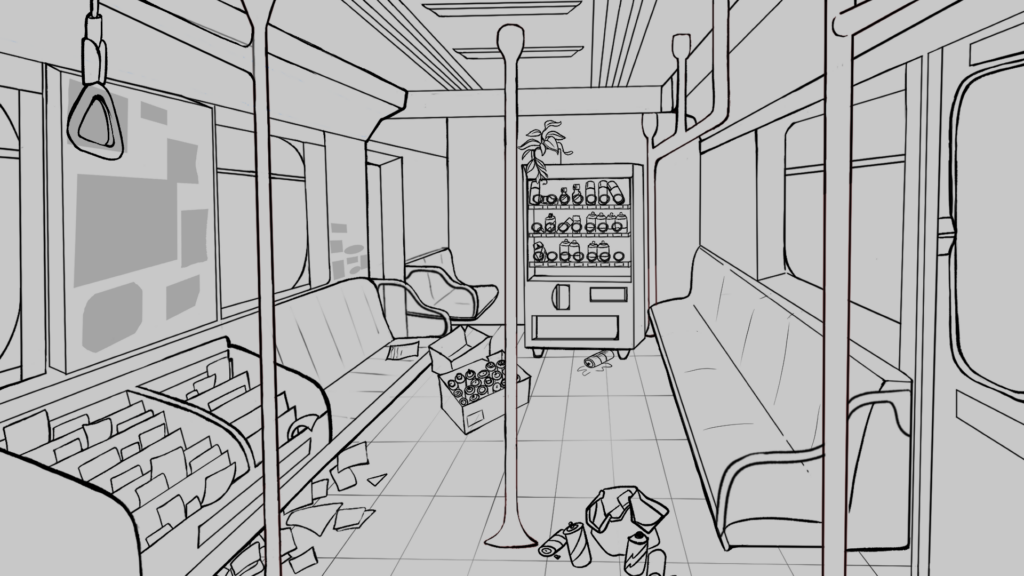
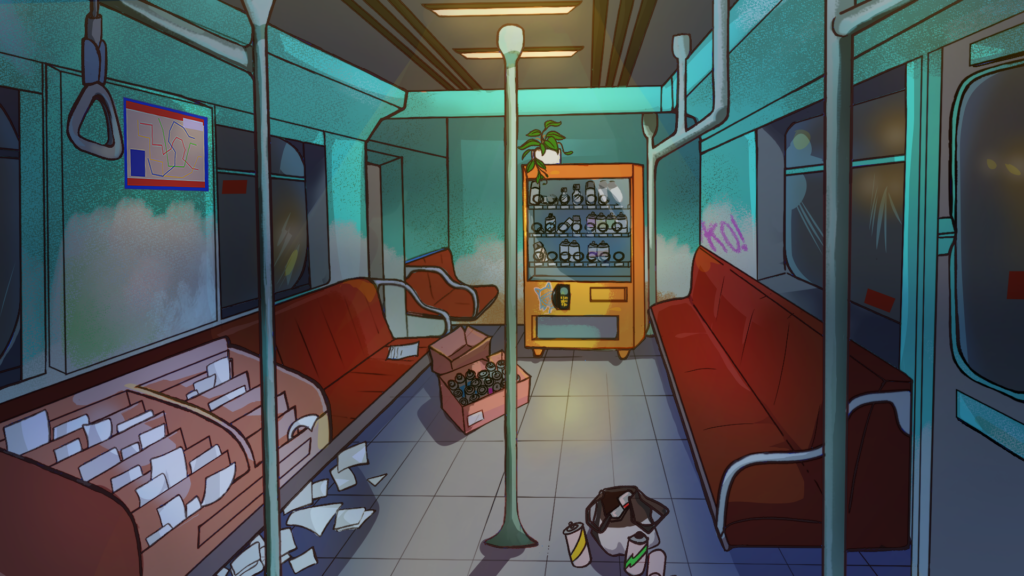
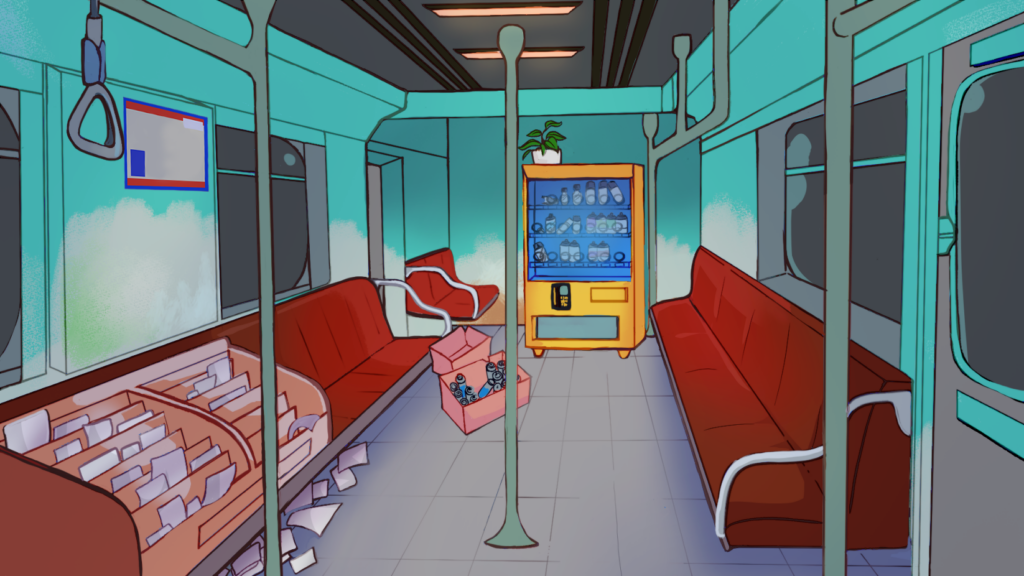
Spray paint shop background art
I brain-stormed some ideas that translated into the idea of a sketchy paint shop owner that operates fully underground metro station in an abandoned railcar. This area will be hidden away down an area that is not for public access, however, the player will be guided here through quests and exploration.
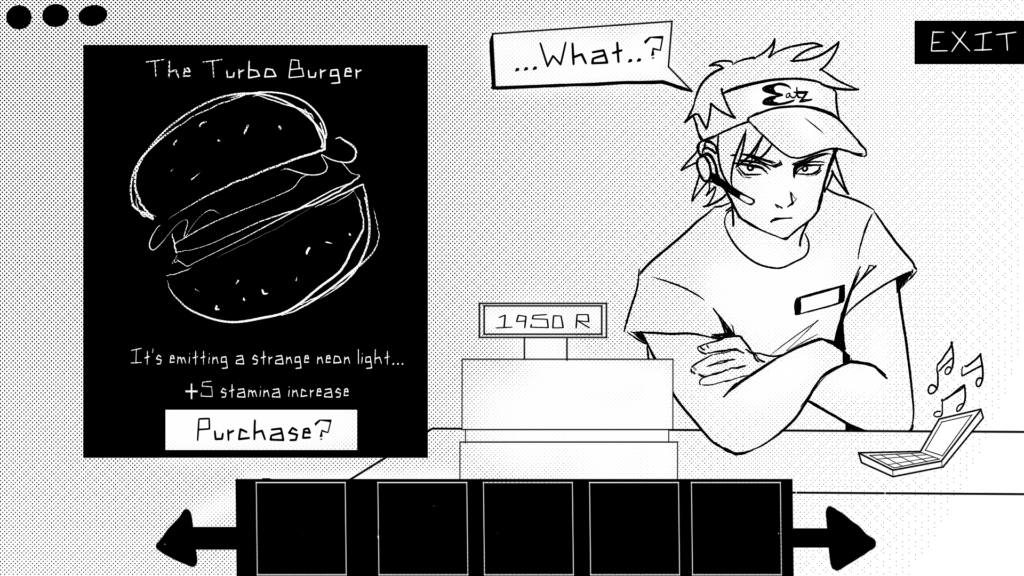
Fast food shop
UI/UX
UI concepts
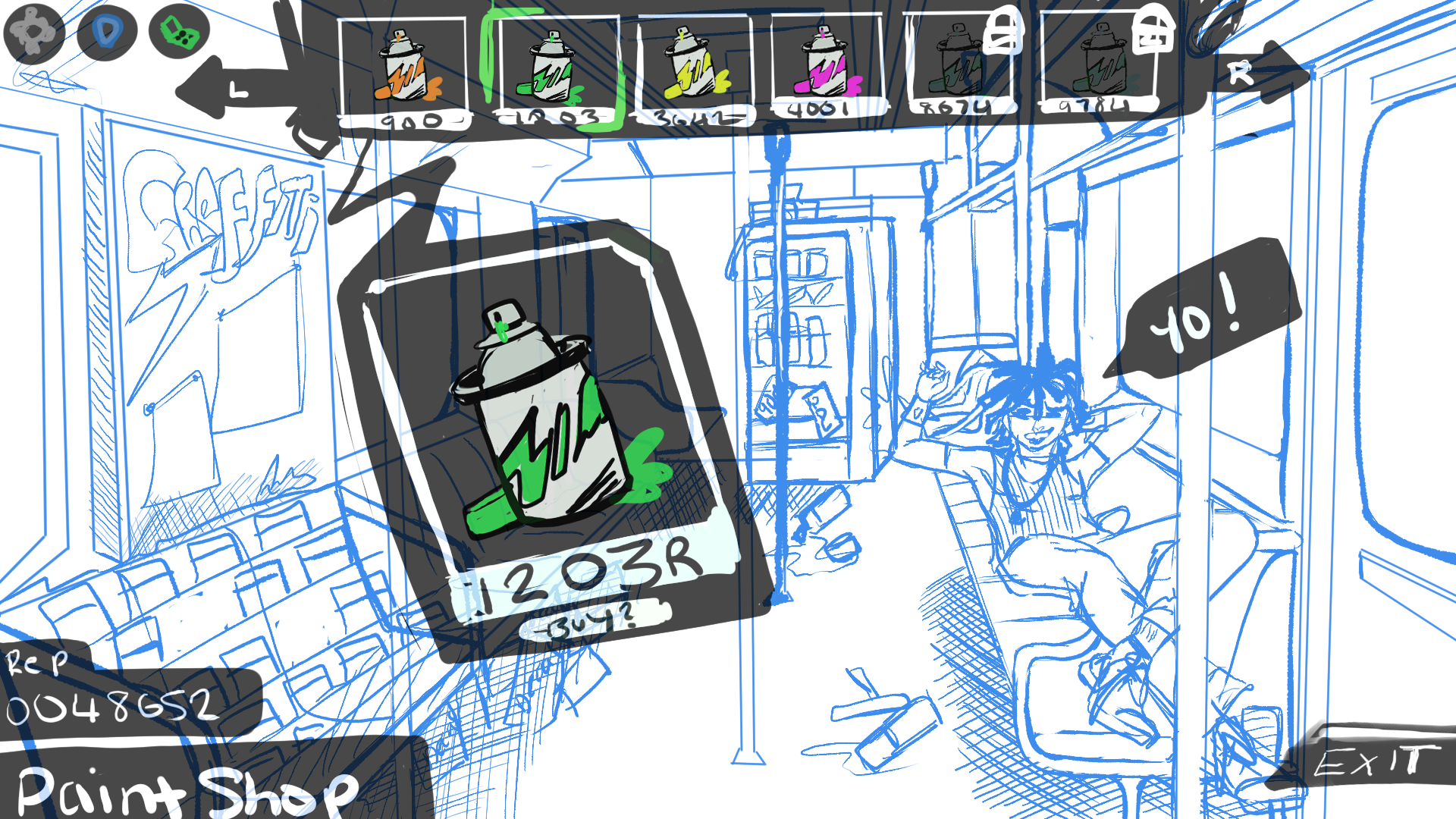
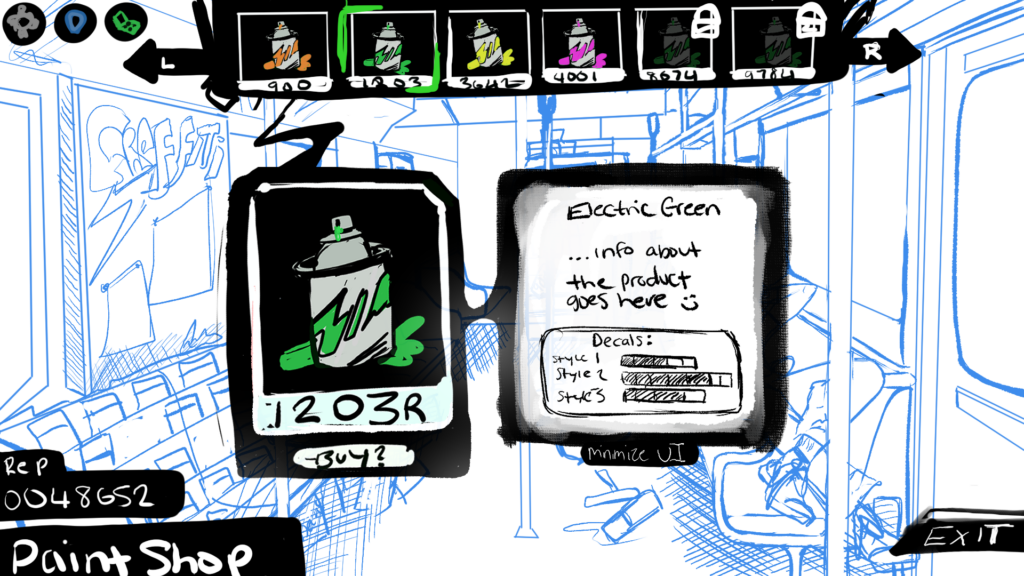
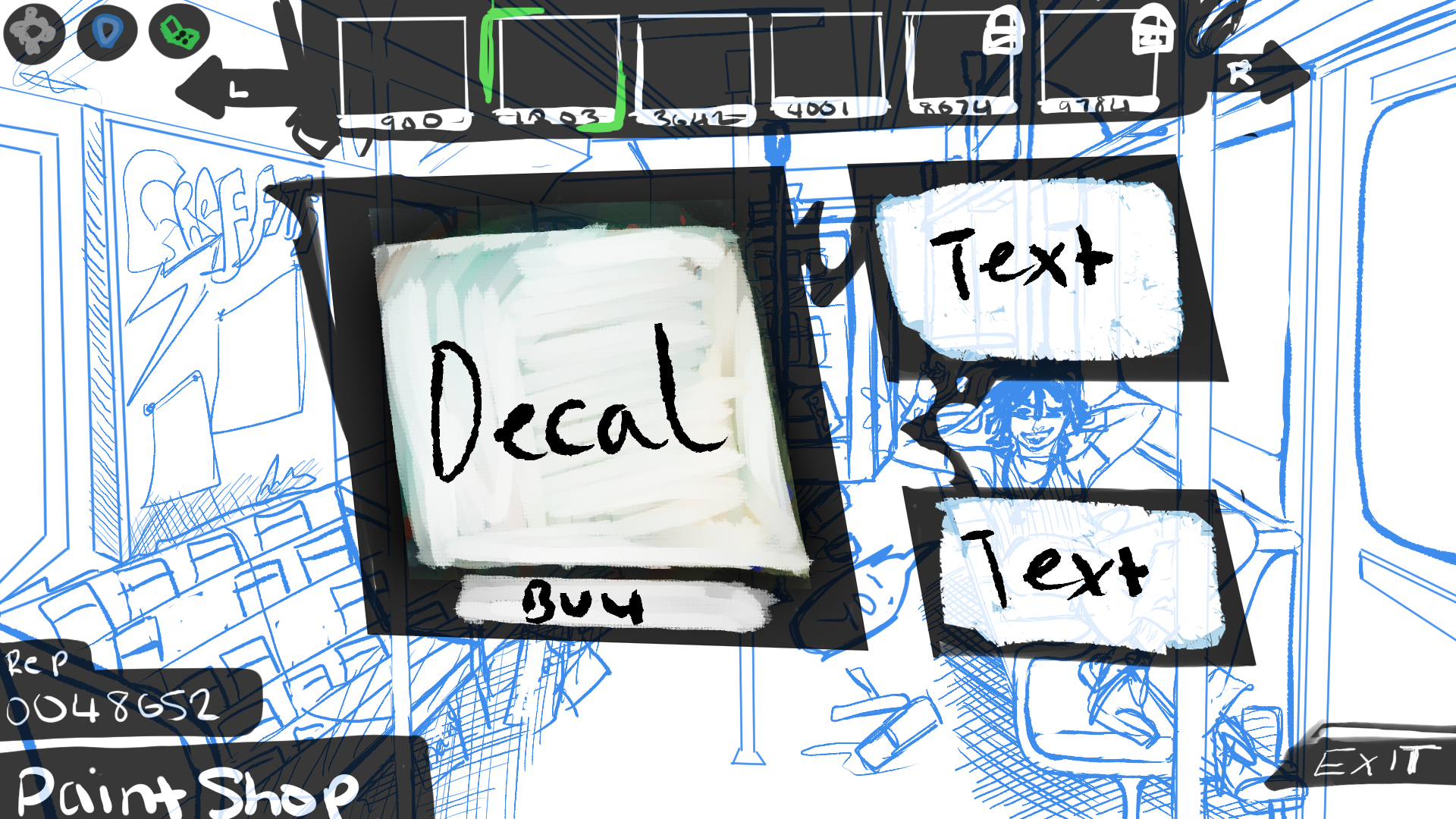
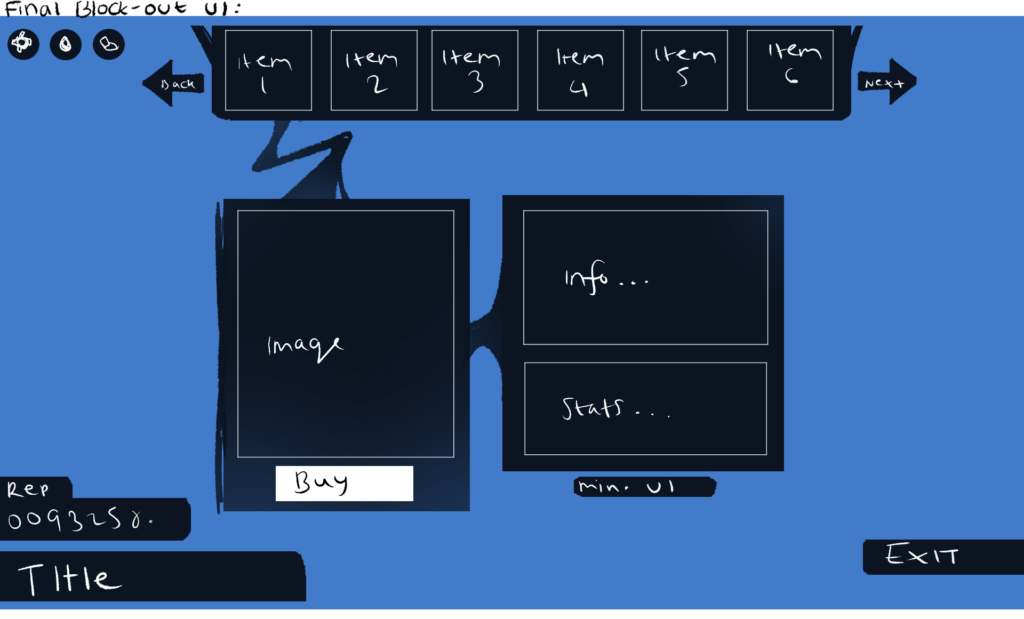
Below shows the design process for the conceptual and blockout phases of the paint shop area menu. The final UI for this will be very colorful and matching the aesthetic of the overall game.
2D ASSETS
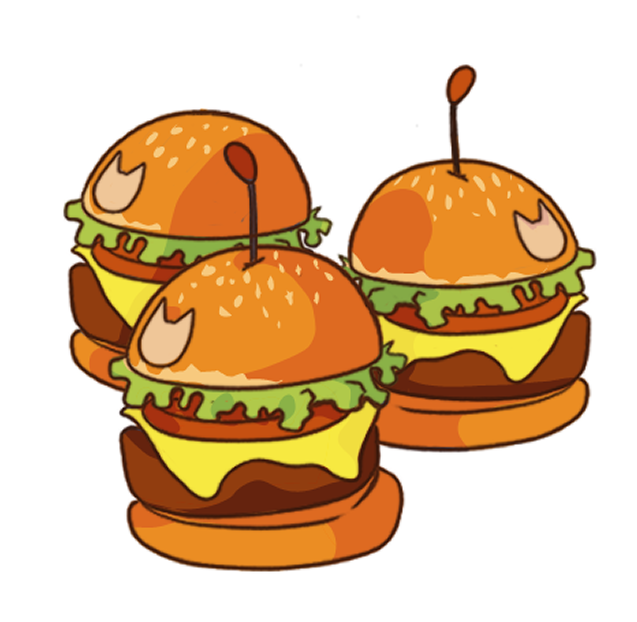
Fast food items
Each of the items here represent a different ability that will impact a players gameplay such as faster movement speed, painting time and recovery timers after being caught by police





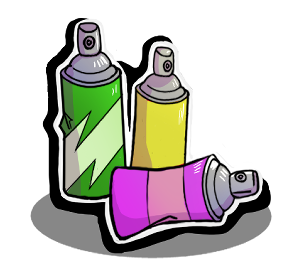
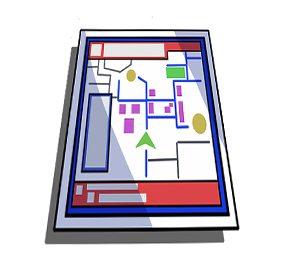
Cellphone icon assets



PROJECT MANAGEMENT
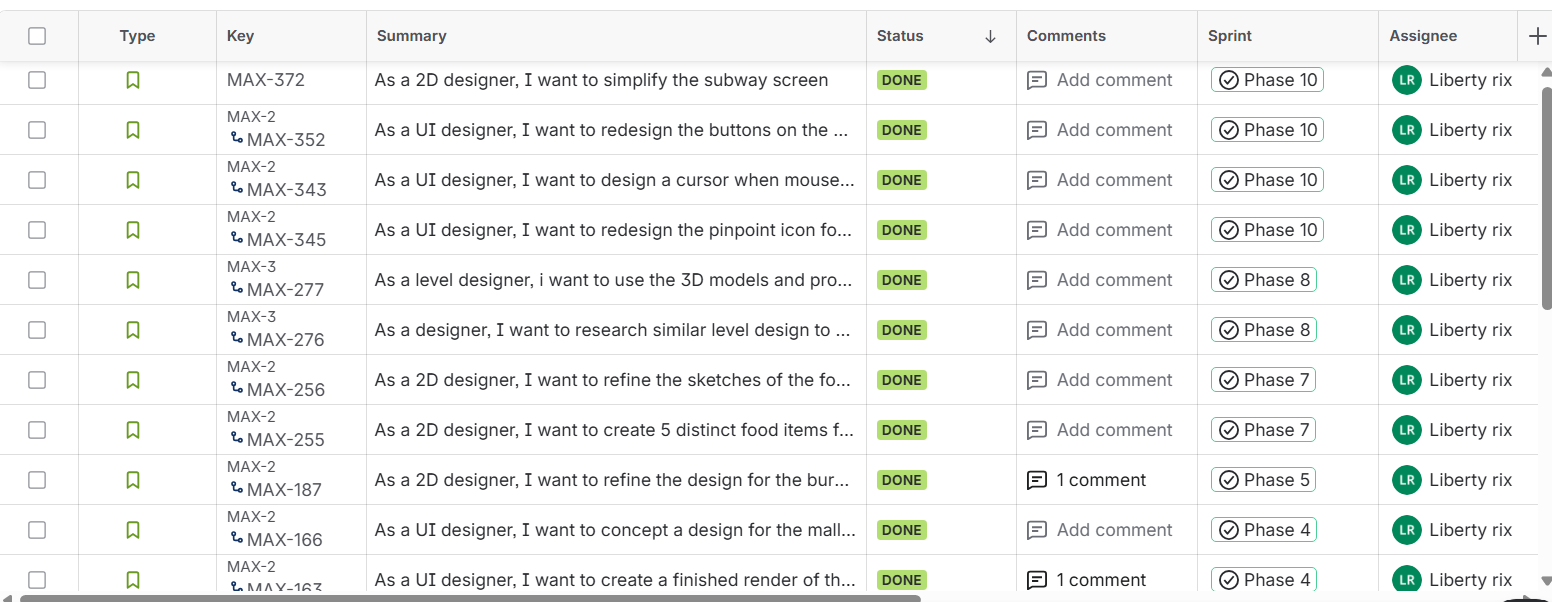
Jira was used throughout development to help organize tasks and manage workload using an agile scrum structure. I helped assign tasks to team members, keep track of deadlines, log hours, and monitor overall progress throughout each sprint. This helped the team stay organized and made communication between departments much smoother. GitHub was also used as a team where we managed each updated in separate branches.
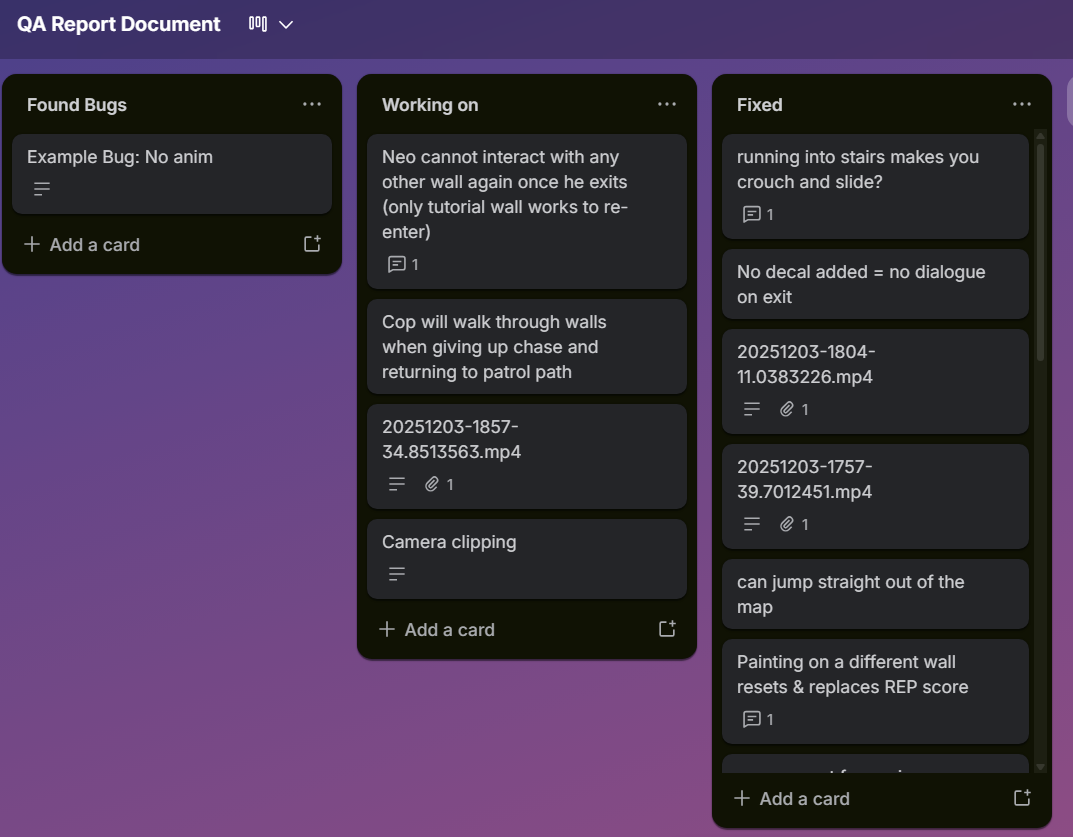
QA testing was tracked through Trello using an open bug log system. Team members could post issues, bugs, or gameplay problems as they were found, and once fixed, the task would be moved into a completed section. This made it easier to keep track of problems during development and helped prioritise what needed fixing first.